AGP Executive Report
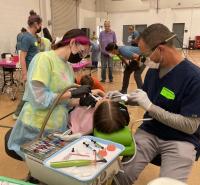
Last update: 9 hours agoRoad Safety: Idaho State Police are investigating a fatal three-vehicle crash on US-20 near mile marker 297.9 in Bonneville County. A Kia K5 driver died at the scene; a Ford F-150 driver was injured and taken to a local hospital, and the semi driver was unhurt. Police say seat belts were a factor. Community Health Access: Love Heals Free Clinic brought free medical, dental, and vision checkups to Carson City, with volunteers including nurses, doctors, dentists, and ophthalmologists—no proof of income or insurance required. Local Care Expansion: Lucas County Health Center welcomed new family medicine physicians, Dr. Meagan Etchemendy and Dr. Ken Chapman, to its Medical Clinic, strengthening rural, patient-centered primary care. Public Health & Prevention: A Kuna Lions event is offering free vision, hearing, and diabetes screenings on Oct. 10, with Envision providing vision/hearing tests and Terry Reilly Health Services handling diabetes checks. Water Safety: Authorities renewed warnings after the sixth Snake River death in Bonneville County this summer, urging safer behavior around the water. Injury & Accountability: Middleton Police report a 14-year-old died after a vehicle-versus-bicycle crash near Middleton High School; the driver was arrested and charged.
Note: AI summary from news headlines; neutral sources weighted more to help reduce bias in the result. Feedback is welcome. Please let us know if you have any comments or suggestions about the AGP Executive Report.

 Perspectify News